
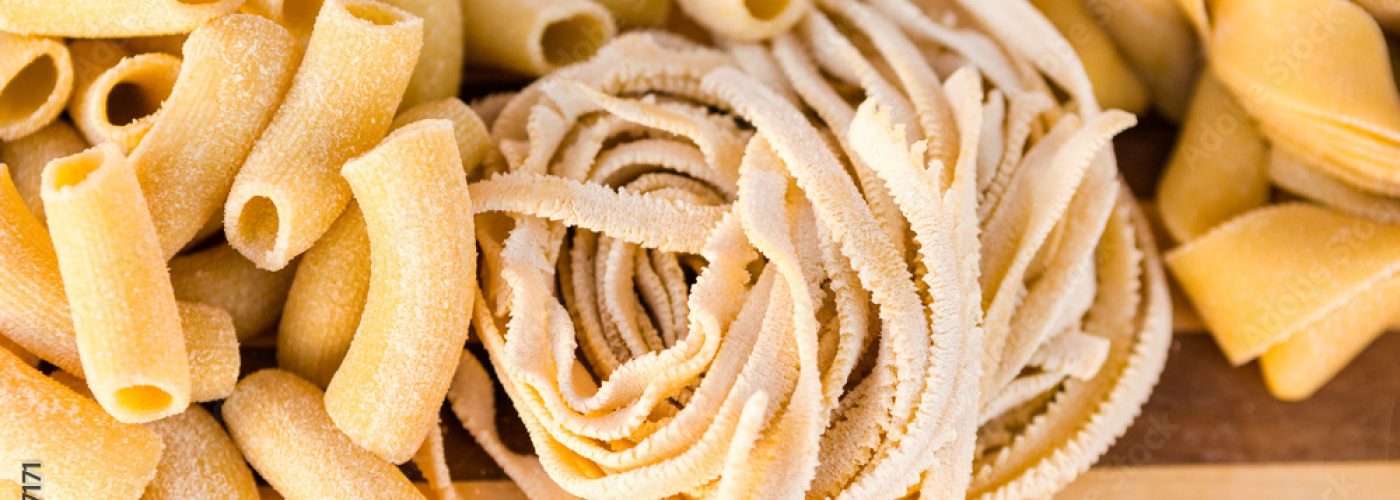
For generations, the kitchen table has been the birthplace of a timeless culinary tradition: turning simple flour and eggs into delicate ribbons of fresh pasta. While dropping a box of dried noodles into boiling water is a convenient weeknight staple, making and eating fresh handmade pasta is an entirely different sensory experience. Both styles have earned their place in the kitchen, but understanding their distinct personalities is the key to mastering your next Italian meal.
Texture and Ingredients: A Tale of Two Doughs
The core difference between fresh and dried pasta lies in the ingredients and the resulting texture:
- Handmade Fresh Pasta: This style typically pairs soft wheat flour (Tipo 00) with whole eggs. The fats and moisture from the eggs create a dough that is incredibly silky, tender, and luxurious.
- Store-Bought Dry Pasta: Traditional dried pasta relies on a firm dough made from ground durum wheat (semolina) and water. It contains no eggs or fat. Instead, it is extruded through dies and slowly dried at precise temperatures to remove all moisture, making it highly stable and shelf-resilient.
The Cooking Experience
Cooking the two styles requires entirely different approaches to timing and kitchen awareness:
- The Clock: Dried pasta requires patience, usually taking 8 to 12 minutes to hydrate and soften in boiling water. Fresh pasta is incredibly fast, cooking to a perfect state in just 1 to 4 minutes because the dough is already hydrated.
- The Bite: Dried pasta is celebrated for its structural integrity, yielding that classic, firm al dente (“to the tooth”) snap in the center. Fresh pasta, while still holding its shape, delivers a soft, velvety melt-in-your-mouth texture that cannot be replicated by a box.
Matching the Noodle to the Sauce
In Italian cuisine, the choice between fresh and dried pasta is dictated by the sauce you plan to serve. Because fresh pasta is delicate and slightly porous, it behaves like a sponge. It pairs flawlessly with rich, emulsified butter and sage sauces, velvety cream, or delicate truffle oils. Its tender structure is also ideal for stuffed varieties like ravioli or tortellini.
Dried pasta, on the other hand, is rugged and sturdy. Its firm structure holds up beautifully against heavy, chunky meat ragùs, rustic vegetable sauces, and robust, oil-based creations like aglio e olio.
Ultimately, neither pasta is superior to the other; they are simply designed for different culinary tasks. Dried pasta is a reliable, pantry-friendly workhorse, while handmade fresh pasta turns dinner into an artisanal celebration of craft and flavor.